
hello@domain.com
+00 999 123 456
About Us
Who We Are
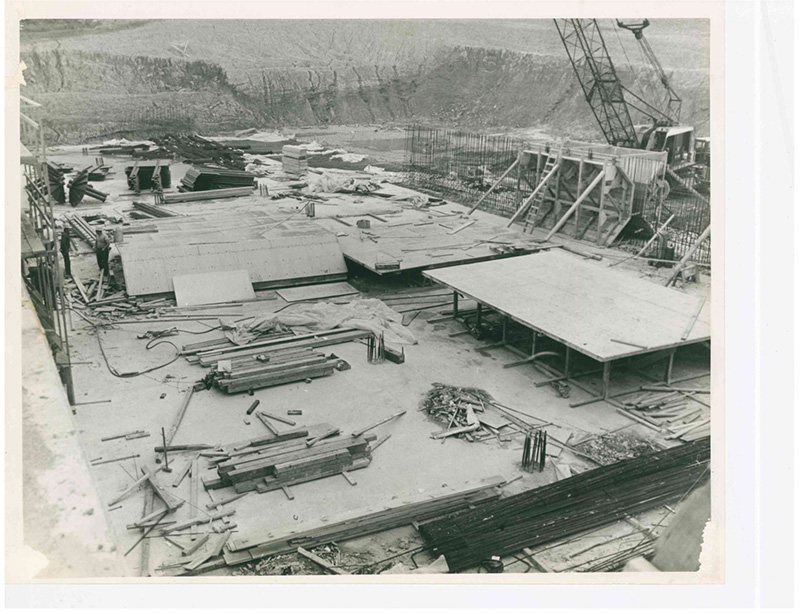
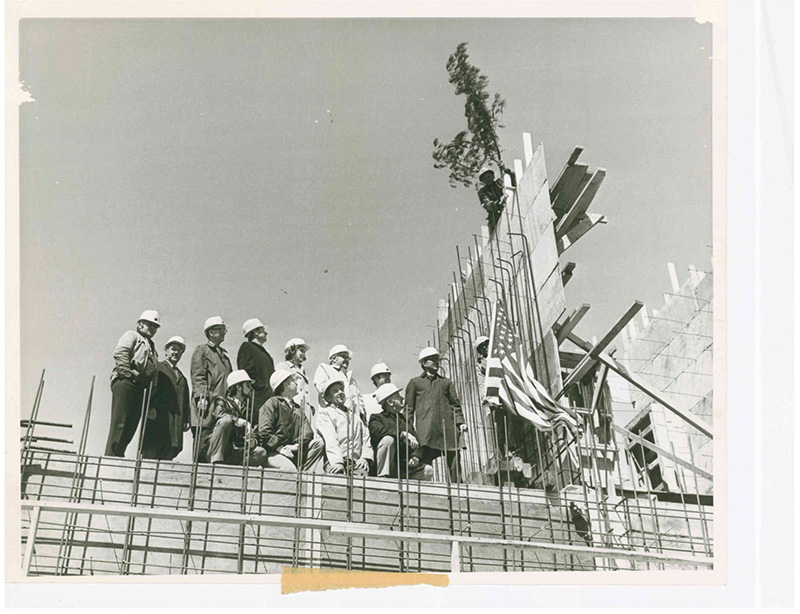
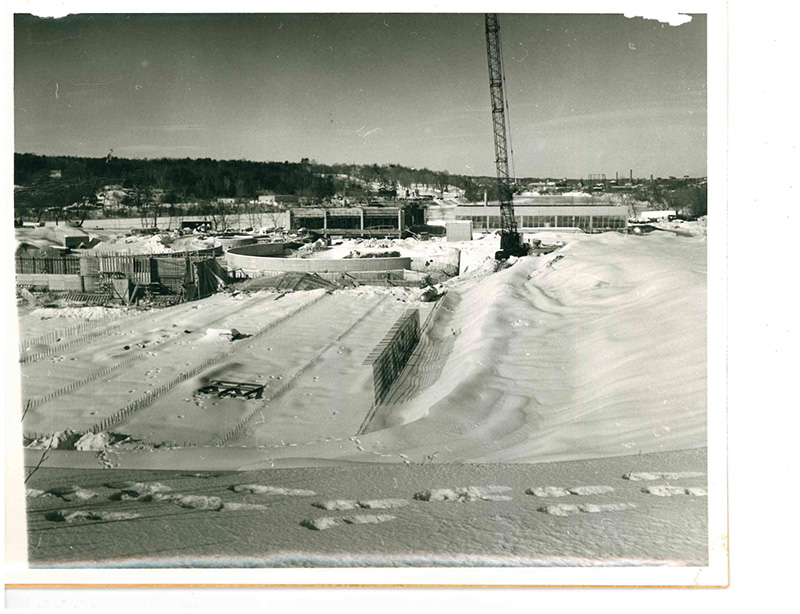
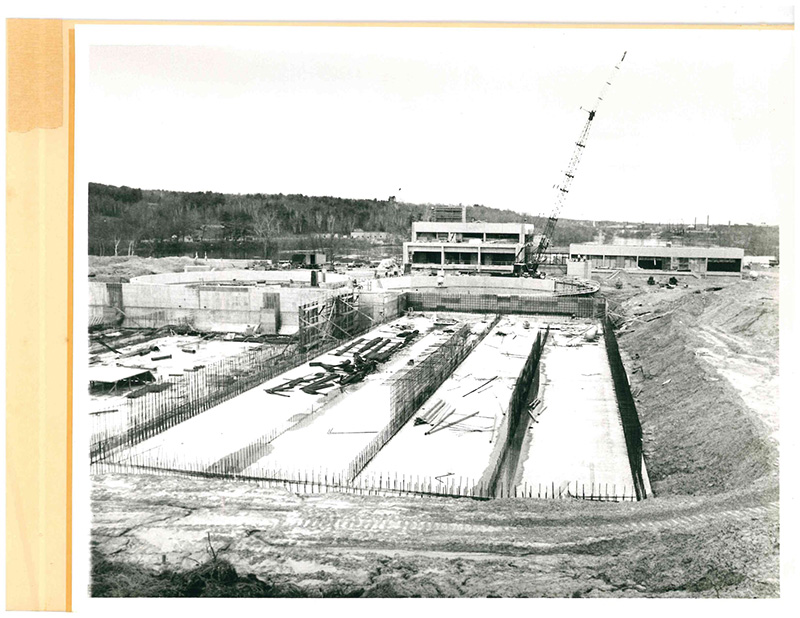
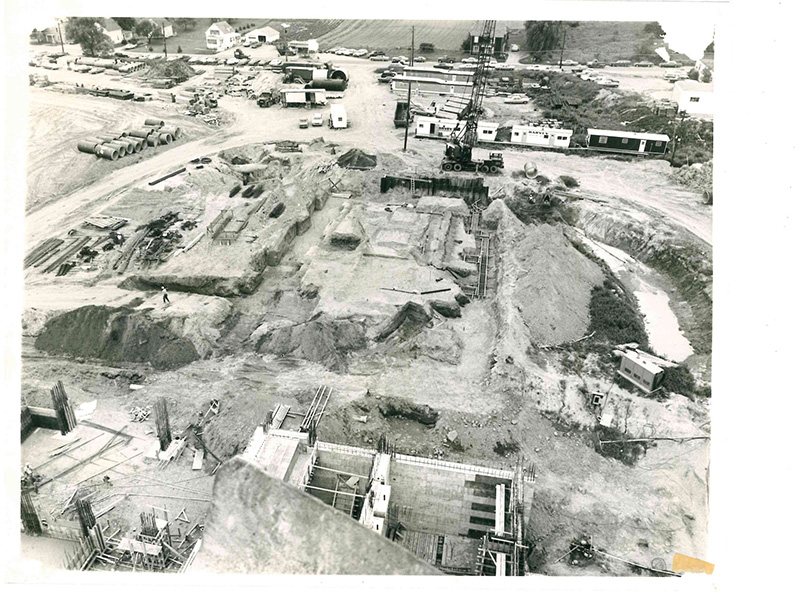
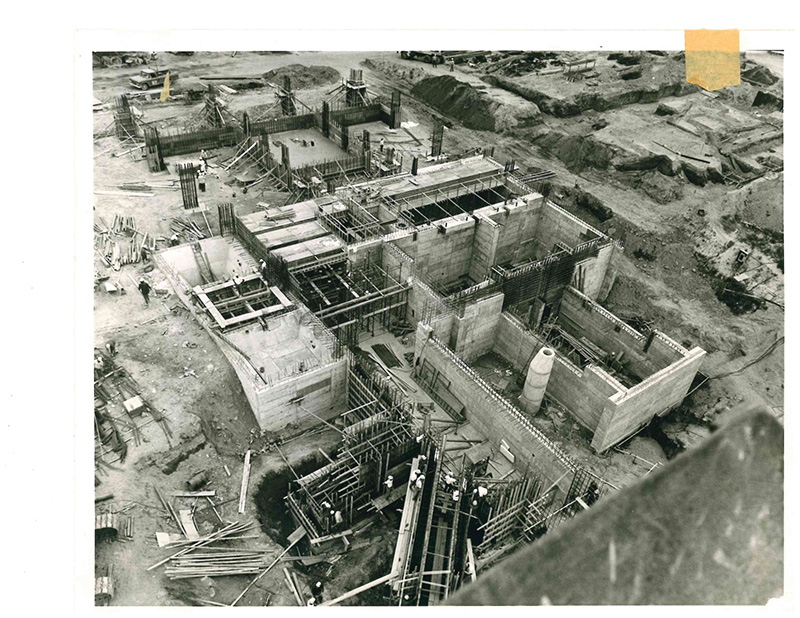
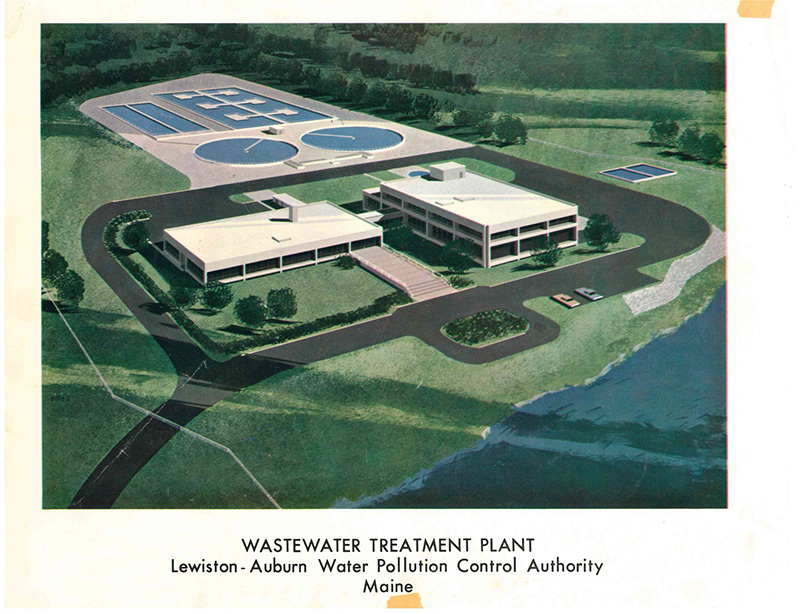
The Lewiston Auburn Clean Water Authority (LACWA) was created by an act of the Maine Legislature in 1967 to provide wastewater treatment services to the Cities of Lewiston and Auburn. The plant started operation in 1974 and was one of the first secondary wastewater treatment facilities in the State of Maine, meaning we are now moving beyond our 50th year of operation.
We celebrated our 50th year of operation during “Clean Water Week” in June 2024. We celebrated by offering facility tours to the public, providing general information and a list of achievements over the 50 years on our website, and developed a short video covering who we are, and what we do. The celebration was done in conjunction with re-branding efforts and a facility name change. Effective the first week of June 2024, our facility changed from the “Lewiston Auburn Water Pollution Control Authority” to the “Lewiston Auburn Clean Water Authority”. We are proud of this change and feel it better reflects the amazing work that has been, and continues to be done, in cleaning the residential, commercial, and industrial waste waters to levels that improve the quality of the mighty Androscoggin. As part of the re-brand, we installed new facility signage and moved our email domain and website location.
We do not operate the collection system (sewer pipes and pump stations). In Lewiston, this is the responsibility of the Lewiston Sewer Division of Public Works. We do, however, work closely with the Public Works Department in the areas of combined sewer overflows, storm water management, solid waste issues, and other environmental matters. In Auburn, the collection system is operated by the Auburn Sewer District.
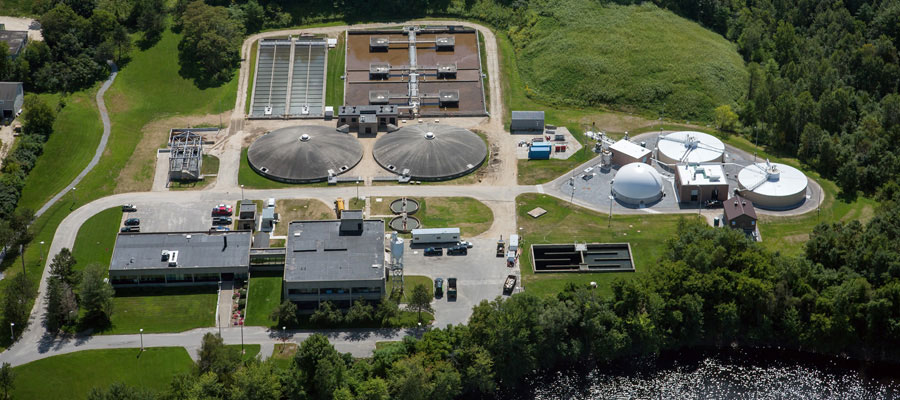
The treatment plant, located on Lincoln Street in South Lewiston, is designed to handle an average daily sewage flow of 14.2 million gallons per day (MGD). Our current average daily flow is roughly 10 MGD, but during wet weather we often treat 20 to 25 million gallons in a given day due to the combined sewers that serve the Twin Cities. We are able to treat flows slightly in excess of 38 million MGD. In addition to treating waste generated by the homes, businesses, schools, etc. that are connected to the sewer system, we also provide septic and holding tank waste treatment services for over 25 area communities (including the unsewered portions of Lewiston and Auburn).
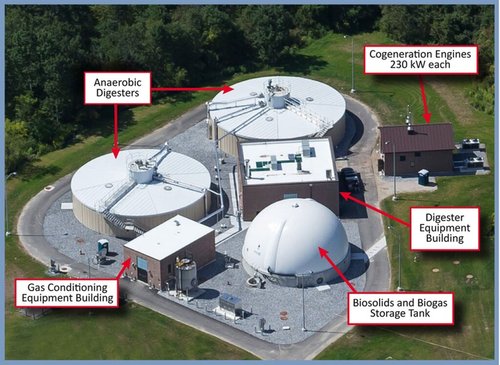
In 2013, the Authority brought on line the first anaerobic digester to be used to process municipal wastewater solids in Maine for over 30 years. The anaerobic digestion process reduces the volume of solids that require further costly treatment by approximately 40%, reduces biosolids program CO2 emissions by nearly 80%, and generates a methane rich biogas used to produce renewable energy to help power the plant. While the project cost was approximately $15.5 million, no increase in sewer rates was experienced as a result of this project due to several factors: a 20 year State Revolving Loan Fund bond at 1% interest and 5.95% principal forgiveness, a $330,000 grant from Efficiency Maine, $640,000 in annual operational cost savings, sale of renewable energy credits, and our capacity to accept grease and other high strength wastes to generate additional biogas and electricity.
Although we send out two bills to the City of Lewiston and the Auburn Sewerage District that cover 94% of our capital and operating costs, we are funded by user fees and not the general tax base. Our annual budget is approximately five million dollars. When looked at on a per unit basis, this is still less than 1/10th of one cent per gallon of wastewater received.
Our Values
Environment- We support federal and state efforts to manage and improve the water quality of the Androscoggin River and are committed to environmental protection through providing the best possible wastewater treatment services.
Team – We respect and value the contributions of our personnel and work to proactively build a competent, effective, and loyal staff while providing opportunities for innovation, growth, and excellence in leadership.
Health- We recognize that a healthy water environment supports public health, including human health and wellness, recreation, and economic goals.
Infrastructure – We challenge ourselves to meet the evolving needs of the future through foresight, specific planning efforts, maintenance of equipment, and overall organizational flexibility and resiliency.
Community – We are committed to visibility, education, and engagement of the public.
Safety – We protect ourselves and others through our dedication to safety, security, and emergency preparedness.
Did You Know?
– We are the second largest treatment plant in Maine and considered relatively large on a National scale.
– We host a great number of tours each year from second graders to college students, and we support local schools with environmental education and outreach.
– LACWA is recognized as a pioneer in the cost saving practice of design/build procurement of infrastructure.
– LACWA is the first large plant in Maine to modernize into computer operation and thereby reduce staffing from 24 hours per day to 10 hours per day.
– Our Pretreatment Program serves as a model to municipal facilities similar to ours all over the Northeast United States.
– We have employees that have served as President, Treasurer and committee chairs of the Maine Water Environment Association (mewea.org), the New England Water Environment Association (newea.org), and the North East Biosolids and Residuals Association (nebiosolids.org).
Major Issues Facing the Authority
Sewers that convey both storm water and sanitary sewage in the Twin Cities have the capability to deliver upwards of 50 million gallons of diluted wastewater to the plant in a given day. When this happens, a portion of the diluted wastewater must be diverted straight to the Androscoggin River. These overflow events are becoming much less frequent and of a smaller volume each year as both Cites work to separate combined sewers and make other improvements to the system including storage of high flows until peak flows subside at which time the stored wastewater is treated. We are continuing to work with both communities and the DEP to address this issue in a rational, cost effective, and sensible manner.
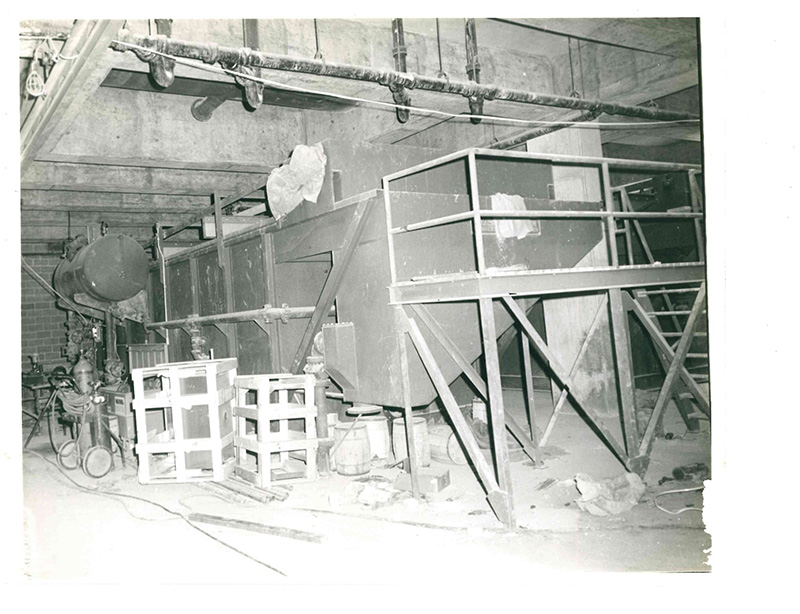
The treatment plant on Lincoln Street is fifty years old. While we believe we have done a good job maintaining the buildings and equipment, we face a significant challenge to keep all of our systems functioning efficiently and in good repair. In addition to the need to replace operating equipment, the atmospheres in which we work are often corrosive and dangerous. Even concrete tanks and buildings need maintenance and repair on a more frequent basis than is common to other structures.
We are now measuring PFAS, dioxins and mercury down to parts per trillion. That’s like trying to find one gallon of milk in Sebago Lake! Because the public often does not understand the concepts and/or the lack of risk involved, some people expect us to discharge zero pollutants to the environment. Living in the world today (or at any time in the past), this is simply not realistic. The problem is that as technology advances, zero becomes smaller and smaller!
We realize that our mission is to support the Twin Cities and that wastewater treatment is not a primary goal for most people, but is a secondary need or support function. We, at the Water Pollution Control Authority, need to work with our community to provide the best service possible at an affordable rate. Still, we are solving a problem for the people of Lewiston and Auburn. We don’t create wastewater or biosolids, we just try to manage the wastes that society produces as effectively as possible.
The Lewiston-Auburn Water Pollution Control Authority (LAWPCA) was created by an act of the Maine Legislature in 1967 to provide wastewater treatment services to the Cities of Lewiston and Auburn.
Updates
As of October 15, 2021, we will no longer accept RV waste
One resource for finding alternative locations is here:
Hours of Operation
Our facility is regularly staffed Monday – Friday from 6:00 a.m. to 2:00 p.m.
Please contact us to schedule visits and appointments.
Telephone: (207) 782-0917